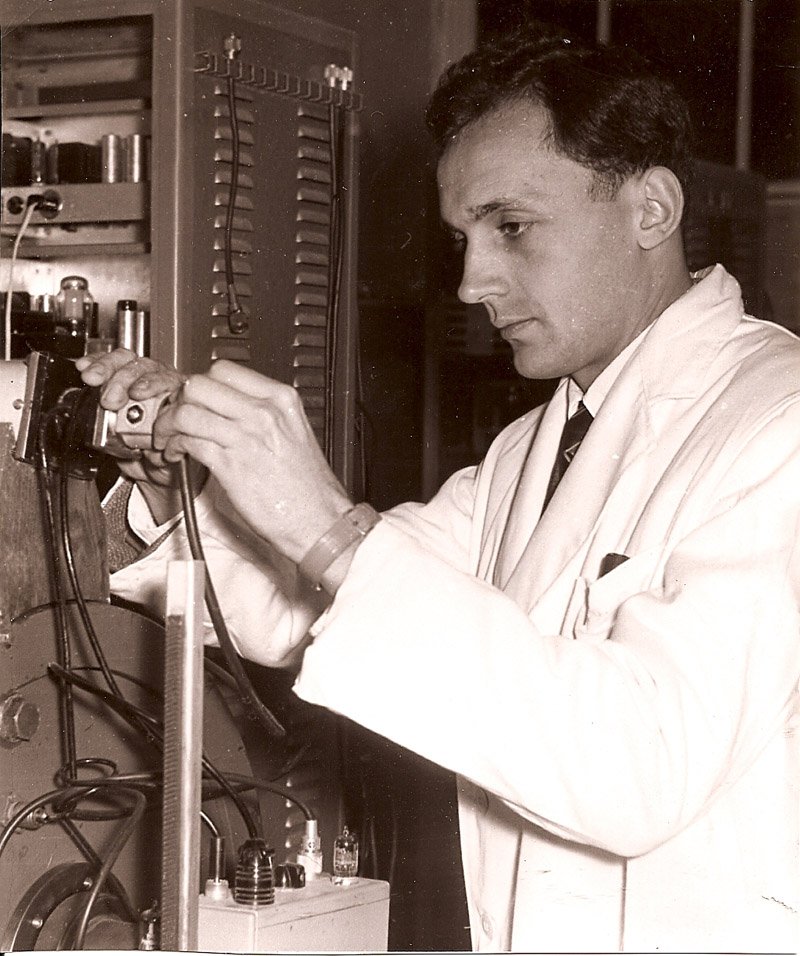
A great man is one who collects knowledge the way a bee collects honey and uses it to help people overcome the difficulties they endure - hunger, ignorance and disease!
- Nikola Tesla

Remember, remember always, that all of us, and you and I especially, are descended from immigrants and revolutionists.
- Franklin Roosevelt

While their territory has been devastated and their homes despoiled, the spirit of the Serbian people has not been broken.
- Woodrow Wilson

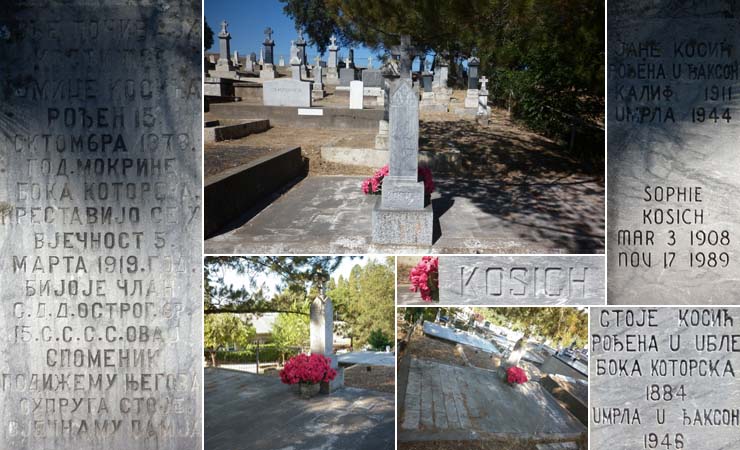
Tomica 1878 - 1919, Stoje 1884 - 1946, Jane 1911 - 1944, Sophie 1908 - 1989

Предња страна споменика:

ОВЂЕ ПОЧИВАЈУ

   КОСТИ ПОК.

ТОМИЦЕ КОСИКА

    РОЂЕН 15.

ОКТОМБРА 1878.

ГОД. МОКРИНЕ

БОКА КОТОРСКА

ПРЕСТАВИЈОСЕ У

   ВЈЕЧНОСТ 5.

МАРТА 1919. ГОД.

 БИЈОЈЕ ЧЛАН

С. Д. Д. ОСТРОГ. БР.

15  С. С. С. С. ОВАЈ

    СПОМЕНИК

ПОДИЖЕ ЊЕГОВА

СУПРУГА СТОЈЕ.

ВЈЕЧНАМУ ПАМЈАТ. 


Бочна лева страна споменика:

  СТОЈЕ КОСИЋ

РОЂЕНА U UБЛЕ

БОКА КОТОРСКА

           1884

УМРЛА У ЂАКСОН

          1946


Бочна десна страна споменика:


      ЈАНЕ КОСИЋ

РОЂЕНА У ЂАКСОН

     КАЛИФ. 1911

    УМРЛА 1944


      SOPHIE

      KOSICH

    WAR 3 1908

   NOV 17 1989


SA


People Directory

Алиса Марић

Алиса Марић (Њујорк, САД, 10. јануара 1970), професор универзитета и доктор економских наука, позната је српска шахисткиња, велемајстор, бивша министарка омладине и спорта у Влади Републике Србије. Према својим резултатима сматра се најбољом југословенском и српском шахисткињом свих времена.

Рођена је 10. јануара 1970. у Њујорку (САД), где је њен отац радио у Уједињеним нацијама. У породици математичара, оца Небојше, професора факултета и мајке Живане, професора у средњој школи, Алиса и сестра близнакиња Мирјана Марић-Стаменковић научиле су да играју шах веома рано, у узрасту од четири године.

Read more ...

Publishing

Jesus Christ Is The Same Yesterday Today And Unto the Ages

In this latest and, in every respect, meaningful study, Bishop Athanasius, in the manner of the Holy Fathers, and firmly relying upon the Apostles John and Paul, argues that the Old Testament name of God, “YHWH,” a revealed to Moses at Sinai, was translated by both Apostles (both being Hebrews) into the language of the New Testament in a completely original and articulate manner.  In this sense, they do not follow the Septuagint, in which the name, “YHWH,” appears together with the phrase “the one who is”, a word which is, in a certain sense, a philosophical-ontological translation (that term would undoubtedly become significant for the conversion of the Greeks in the Gospels).  The two Apostles, rather, translate this in a providential, historical-eschatological, i.e. in a specifically Christological sense.  Thus, John carries the word “YHWH” over with “the One Who Is, Who was and Who is to Come” (Rev. 1:8 & 22…), while for Paul “Jesus Christ is the Same Yesterday, Today and Unto the Ages” (Heb. 13:8).