A great man is one who collects knowledge the way a bee collects honey and uses it to help people overcome the difficulties they endure - hunger, ignorance and disease!
- Nikola Tesla

Remember, remember always, that all of us, and you and I especially, are descended from immigrants and revolutionists.
- Franklin Roosevelt

While their territory has been devastated and their homes despoiled, the spirit of the Serbian people has not been broken.
- Woodrow Wilson

Svetlana Meritt

Svetlana Meritt is a modern-day pilgrim. Twelve years ago, she left her career as a journalist, and with her late husband and mentor, Dwight Johnson, embarked on a journey of self-discovery through the continents of Europe, Africa, and Asia.

During her career as an American correspondent for a high-profile Serbian magazine – Illustrated Politics – Svetlana interviewed the Dalai Lama, Lawrence Eagleburger, Jon Voight, Laura Huxley, Yoko Ono, and Allan Ginsberg. On assignment to cover the Academy Awards, she interviewed Kevin Costner, Sophia Loren, and Giorgio Armani. She also wrote extensively about American life and society, and frequently published travel articles. She was the recipient of the Talented Young Journalist award in her native Belgrade. Svetlana has written one novel in English, Legacy of the Future (2002).

In addition to being a journalist, Svetlana is also professional photographer. Her photographs have accompanied her written articles and appeared in group and solo exhibitions in Belgrade and Santa Barbara.

Svetlana currently lives in Santa Barbara, California, and teaches at Santa Barbara City College and at the University of California at Santa Barbara.

Source: Official Web-Site


SA


People Directory

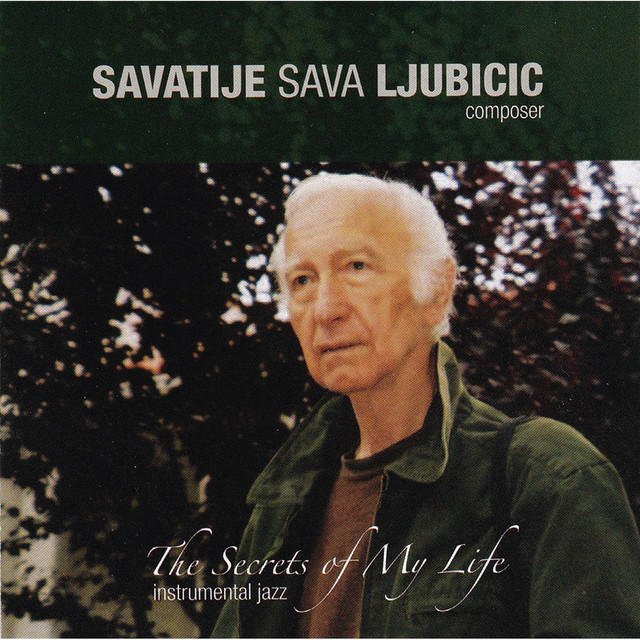
Savatije Sava Ljubicic

Savatije Sava Ljubicic [Savatije Sava Ljubičić, Саватије Сава Љубичић], highly acclaimed Yugoslav composer, was born in 1931, in Cacak, Serbia. He comes from a well known family of musicians with Savatije Ljubicic being the only family member to be a composer. His first musical training began at the age of three when he was at his father’s music school. While listening to the Serbian country songs and dances, he was taught how to play the accordion. His father Miloje Ljubicic, also known as one of Serbia’s best flute builders, opened the music school in Cacak in order to teach farmers’ young children how to be able to play, appreciate and enjoy the Serbian country music its rich folklore The school was opened in 1933, the year when Ljubicic’s father as a singer and accordion player wins the highest award given to outstanding vocalists and musicians in former Yugoslavia.

.
Read more ...

Publishing

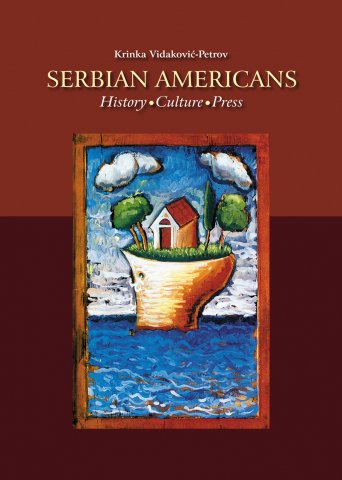
Serbian Americans: History—Culture—Press

by Krinka Vidaković-Petrov, translated from Serbian by Milina Jovanović

Learned, lucid, and deeply perceptive, SERBIAN AMERICANS is an immensely rewarding and readable book, which will give historians invaluable new insights, and general readers exciting new ways to approach the history​ of Serbian printed media. Serbian immigration to the U.S. started dates from the first few decades of 19th c. The first papers were published in San Francisco starting in 1893. During the years of the most intense politicization of the Serbian American community, the Serbian printed media developed quickly with a growing number of daily, weekly, monthly and yearly publications. Newspapers were published in Serbian print shops, while the development of printing presses was a precondition for the growth of publishing in general. Among them were various kinds of books: classical Serbian literature, folksong collections, political pamphlets, works of the earliest Serbian American writers in America (poetry, prose and plays), first translations from English to Serbian, books about Serb immigrants, dictionaries, textbooks, primers, etc.

Read more ...