
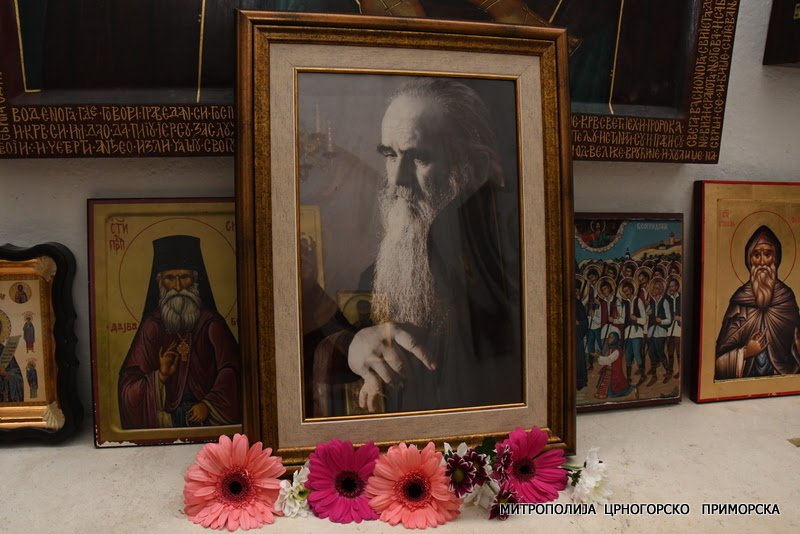
Source: Serbian Orthodox Church

A great man is one who collects knowledge the way a bee collects honey and uses it to help people overcome the difficulties they endure - hunger, ignorance and disease!
- Nikola Tesla
Remember, remember always, that all of us, and you and I especially, are descended from immigrants and revolutionists.
- Franklin Roosevelt
While their territory has been devastated and their homes despoiled, the spirit of the Serbian people has not been broken.
- Woodrow Wilson
Source: Serbian Orthodox Church


Mr. Vukasin was CEO of Peerless Coffee and Tea, the pioneering Oakland coffee roaster that made craft roasting popular long before Peet's and Starbucks were born. He was an early force of the Specialty Coffee Association and served several effective terms as the President of the National Coffee Association. During that time, he was awarded the country of Colombia's highest honor, the Manuel Meija Award, named after the father of the Colombian coffee industry, for the work he did to elevate Colombian farmers out of poverty.
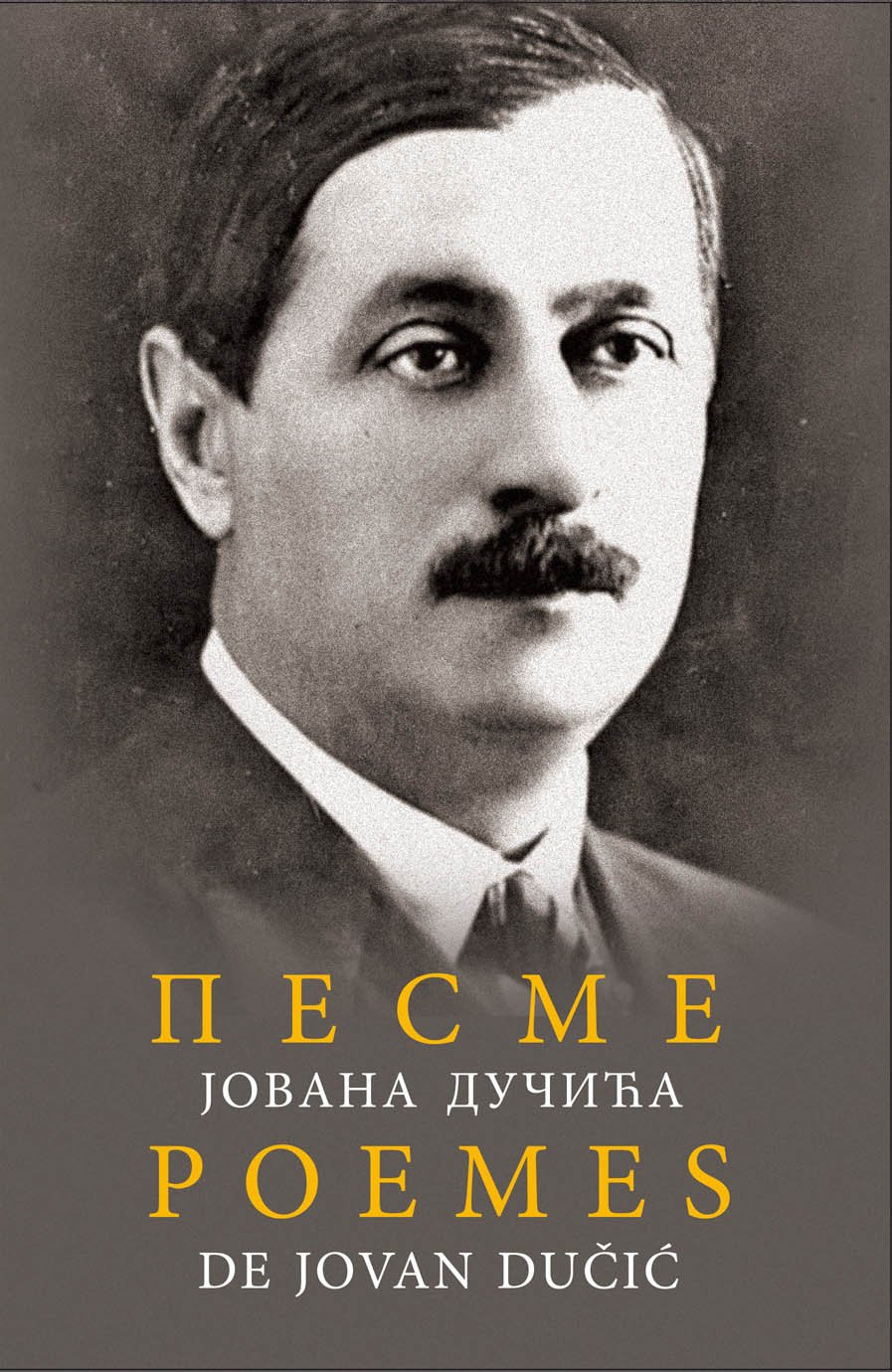
The first bilingual edition translations of poems in French of this prince of Serbian poetry. These translations of poems Dučić meet two objectives: to publicize the work of the poet to Francophone readers and pay tribute to both the Serbian language Dučić and French language to which the great poet and Petar Bubreško were passionately attached. This book is dedicated to Leposava Bubreško (1923-2013) professor Bubreško’s wife who wanted so much this work to be published.
Publishers: Sebastian Press, Vidoslov, and Metokhia
216 pages, soft bound, published in 2015, price $15
Песме Јована Дучића
На француски језик превео проф. др Петар Д. Бубрешко
Ова књига је посвећена Лепосави Бубрешко (1923-2013), супрузи професора Петра Д. Бубрешка, која је толико желела да ово дело изађе на светлост
Саиздавачи: Видослов, Требиње и Metokhia, Paris
ПОЕЗИЈА
Мирна као мрамор, хладна као сена,
Ти си бледо тихо девојче што снева.
Пусти песма других нека буде жена,
Што по нечистим улицама пева.
Ја не мећем на те ђинђуве са траком,
Него жуте руже у те косе дуге:
Буди одвећ лепа да се свиђаш сваком,
Одвећ горда да би живела за друге.
Буди одвећ тужна са сопствених јада,
Да би ишла икад да тешиш ко страда,
А чедна, да водиш гомиле што нагле.
И стој равнодушна, док око твог тела,
Место китњастог и раскошног одела,
Лебди само прамен тајанствене магле.