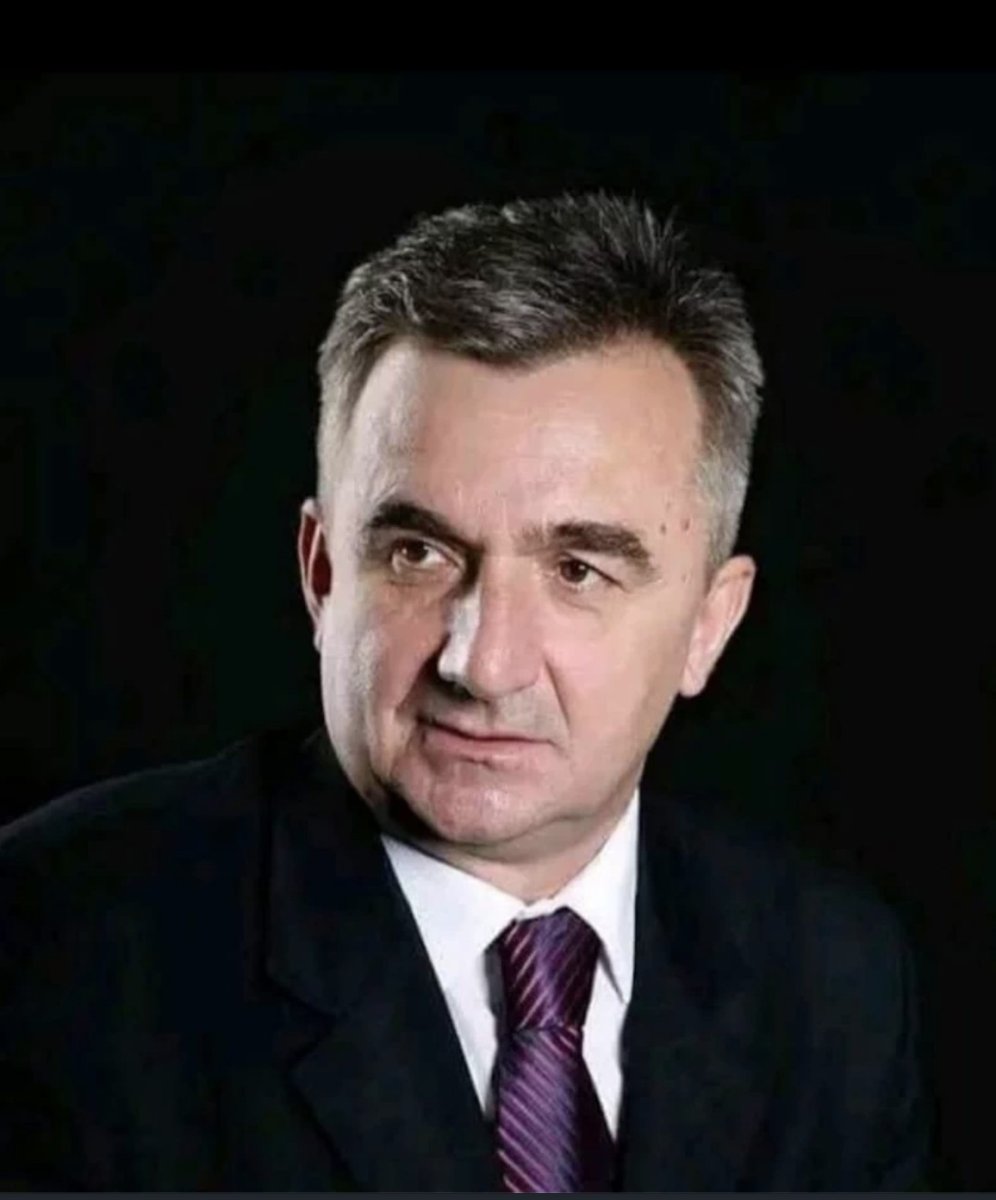
Janjić, a university professor and cultural historian, is among the most widely read and distributed contemporary Serbian authors. His body of work spans fiction, documentary prose, essays and literary criticism, with a sustained focus on history, ethics, identity and the moral dimensions of human experience.
His acclaimed books devoted to major figures from Serbian and world history — including Patriarch Pavle, Saint Mina, Bishop Varnava Nastić and philanthropist Sima Andrejević Igumanov — have drawn broad readership across the Balkans. His monographic study, “The Kosovo Oath: The Serbian Alliance with God,” published in Montenegro by the Institute for Serbian Culture in Nikšić, has been widely recognized for its scholarly rigor and cultural significance.
In addition to his books, Janjić is a prominent essayist in regional media. His essays published in the Belgrade daily Politika and other leading outlets have had a sustained influence on public discourse, particularly in debates concerning cultural memory, ethics and national identity.
At the core of Janjić’s work is a consistent humanistic vision. His writing places the individual at the center of historical and cultural inquiry, advancing universal values of truth, justice and compassion. Critics and colleagues alike note his ability to unite literary expression with rigorous scholarship and moral clarity.
Janjić’s impact extends beyond publishing. As a professor at the College of Communication Studies in Belgrade and a researcher at the Institute for Political Studies, he has educated and mentored generations of students, transmitting intellectual discipline, cultural responsibility and ethical engagement. He is widely respected by students and colleagues for his pedagogical commitment and scholarly integrity.
He is a member of both the Writers’ Association of Serbia and the Writers’ Association of Montenegro, and his works have been translated into Russian, Romanian, French, English, Macedonian, Italian, and Arabic.
“Jovan Janjić represents a rare synthesis of literary talent, scholarly depth and public responsibility,” Mundus Artium Press said in a statement. “This award recognizes a lifetime of work dedicated to culture, memory and the enduring values that shape human civilization.”
About Jovan Janjić
Jovan Janjić (born 1963) holds a doctorate in cultural studies. He is a researcher at the Institute for Political Studies in Belgrade and a professor at the College of Communication Studies. He has previously taught at the University Union–Nikola Tesla. He is the author of one novel, two books of documentary prose and numerous essays and works of literary criticism.
Janjić is among the most widely distributed Serbian authors of his generation. His work has been translated into multiple languages and continues to influence readers, scholars and public debate across Europe and beyond. He is the current vice-president of the National Assembly of Serbia.
Source: Mundus Artium Press
Значајно признање за Јована Јањића у Даласу
Награда одаје почаст животном делу посвећеном култури, памћењу и трајним вредностима које обликују људску цивилизацију
Академска награда „Писац Орфејевих текстова за 2025. годину”, коју додељује издавачка кућа „Mundus Artium Press” при Тексаском универзитету у Даласу (САД) припала је српском писцу и научнику др Јовану Јањићу, тренутно на дужности потпредседника Народне скупштине Републике Србије, за, како је саопштено, „његов вишедеценијски допринос књижевности, културној науци и јавном интелектуалном животу у Србији, Црној Гори и широм балканског региона”. Међу номинованим кандидатима писац из Србије добио је највише гласова – за њега је од 24 члана бирачког одбора гласало њих 19.
У саопштењу се напомиње да је Јањић универзитетски професор и историчар културе, а да, поред научних дела, „његов опус обухвата књижевну прозу, документарну прозу, есеје и књижевну критику, са трајним фокусом на историју, етику, идентитет и моралне димензије људског искуства”. Даље се наводи да су „његове запажене књиге посвећене значајним личностима српске и светске историје – међу којима су патријарх Павле, Свети Мина, владика Варнава Настић и добротвор Сима Андрејевић Игуманов – стекле широку читалачку публику широм Балкана”. Напомиње се да је међу његовим књигама и монографска студија „Косовски завет: српски савез са Богом”, објављена у Црној Гори, у издању Института за српску културу из Никшића, која је „широко препозната по научној утемељености и културном значају”.
Посебно се наглашавају есеји, које Јањић пише у „Политици” и у другим медијима; оцењује се да они имају „дуготрајан утицај на јавни дискурс, нарочито у расправама о културном памћењу, етици и националном идентитету”.
У образложењу награде затим се истиче: „У средишту Јањићевог стваралаштва налази се доследна хуманистичка визија. Његово писање поставља појединца у средиште историјског и културног промишљања, афирмишући универзалне вредности истине, правде и саосећања. Критичари и колеге истичу његову способност да обједини књижевни израз са строгом научном методологијом и моралном јасноћом.”
Каже се и да Јањићев утицај превазилази издаваштво. „Као професор на Високој школи за комуникације у Београду и истраживач на Институту за политичке студије, образовао је и менторисао генерације студената, преносећи им интелектуалну дисциплину, културну одговорност и етичку ангажованост. Студенти и колеге високо га цене због педагошке посвећености и научне доследности.”
Члан је Удружења књижевника Србије и Удружења књижевника Црне Горе. А његов стваралачки домет превазилази националне оквире, што потврђује и чињеница да су његова дела преведена на више светских језика.
У саопштењу „Mundus Artium Pressa” на крају се каже и ово: „Јован Јањић представља ретку синтезу књижевног талента, научне дубине и јавне одговорности. Ово признање одаје почаст животном делу посвећеном култури, памћењу и трајним вредностима које обликују људску цивилизацију.”
Извор: Политика