A great man is one who collects knowledge the way a bee collects honey and uses it to help people overcome the difficulties they endure - hunger, ignorance and disease!
- Nikola Tesla

Remember, remember always, that all of us, and you and I especially, are descended from immigrants and revolutionists.
- Franklin Roosevelt

While their territory has been devastated and their homes despoiled, the spirit of the Serbian people has not been broken.
- Woodrow Wilson

The narrative seductiveness of Zoran Zivkovic

Why isn’t Zoran Zivkovic better known in this country? He possesses an imaginative ingenuity and charm similar to that of, say, Paul Auster or Italo Calvino, with bits of Kafka, Borges and Beckett mixed in. His body of work, superbly translated (mainly by Alice Copple-Tosic), has even grown substantial enough that Cadmus Press is bringing out a multi-volume “Zoran Zivkovic Collection,” which already includes “Impossible Stories I,” “The Papyrus Trilogy” and “The Five Wonders of the Danube.” Certainly anyone who loves to read will love reading this Serbian fabulist’s entrancingly bookish stories and novels.

More: Washington Post
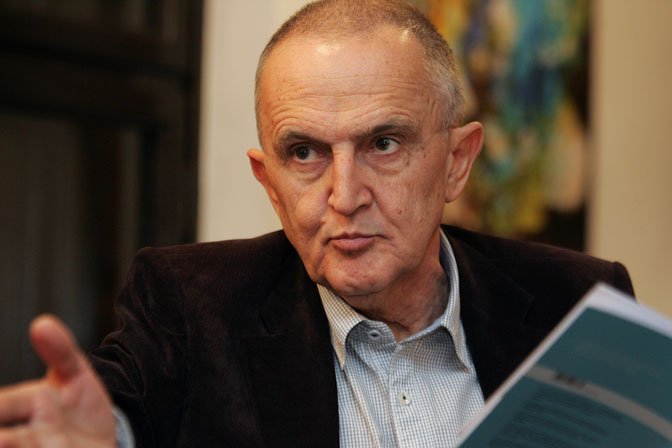

„Вашингтон пост”: Живковић поседује имагинативну проницљивост и шарм Остера или Калвина

„Вашингтон пост” је пре неколико дана донео је обиман и веома похвалан текст из пера угледног критичара Мајкла Дирде, добитника Пулицерове награде за новинарство, о чак три књиге нашег најпревођенијег писца Зорана Живковића: „Трилогија Папирус”, „Пет дунавских чуда” и „Немогуће приче I”.

Амерички издавач Кадмус прес управо је овим делима недавно отпочео веома амбициозан пројекат „Колекција Зорана Живковића” у оквиру кога ће бити објављена сабрана прозна дела нашег аутора на енглеском у чак 32 тома – 11 у тврдом повезу и 21 у меком. До краја године појавиће се и четврти том издања у тврдом повезу, „Немогуће приче II”, а током 2017. и 2018. изаћи ће преосталих 28 томова – по један у просеку на сваких 26 дана. Ово је први пут у историји српске књижевности да један наш писац добија сабрана дела код неког великог америчког издавача.

– Зашто Зоран Живковић није боље познат у САД – пита се на почетку свог приказа Мајкл Дирда. „Он поседује имагинативну проницљивост и шарм једног, рецимо, Пола Остера или Итала Калвина, уз оно што је понајбоље код Кафке, Борхеса и Бекета. Његов прозни опус, изврсно преведен на енглески, постао је уистину обиман, а да нам га представи потрудио се Кадмус прес који је уприличио пројекат „Колекција Зорана Живковића” у склопу кога су се ове јесени појавиле три књиге: „Трилогија Папирус”, „Пет дунавских чуда” и „Немогуће приче I”. Свако ко је заљубљен у читање несумњиво ће бити задивљен очаравајућим књижевним световима у причама и романима српског фабулисте.

Извор: Политика
Фото: А. Васиљевић


SA


People Directory

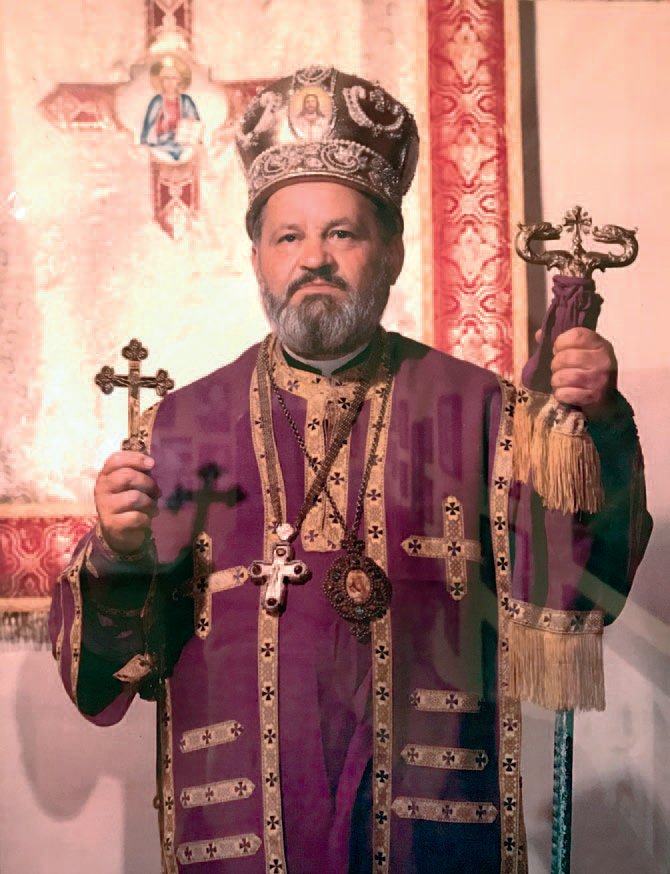
Bishop Grigorije (Udicki)

(1963–1985)

As the son of Stevan Udicki, notary, and Anica Udicki Pavlovich, he was born on January 14, 1911, in Velika Kikinda, Banat. He finished the public and secondary school at Velika Kikinda and Timisoara (Romania), the Seminary in Sremski Karlovci (Yugoslavia) in 1930, when he entered the University of Belgrade and finished the Faculty of Orthodox Theology in June 1934.

After the military service in the Red Cross company in Bitola (Yugoslavia) in 1934/35, he became a teacher of the Seminary and gymnasium in Bitola on March 15, 1935. On November 14, he was ordained a priest, on special duty at the monastery church of St. John the Baptist in Bitola till 1938, when passed the examination of a Master degree.

He took monastic vows in the Monastery of Hilandar in 1936.

In September 1938 he went to the U.S.A., to Libertyville, Illinois, taking up there the job of a secretary of the Orthodox Diocese and later on duty of a priest at the Holy Trinity Church at Butte, Montana. In order to complete the studies necessary for getting the PhD degree, he went in 1939 to Athens (Greece), but soon returned to Yugoslavia because of the war between Greece and Italy. Having transferred studies to the University of Belgrade he passed the examination on June 11, 1940. Working on preparation of the dissertation he went to Petrovgrad, Banat (Yugoslavia), where he remained till 1945. During the wartime between Yugoslavia and Germany, he was just a manual worker, and later in 1943 he became again a teacher in Gymnasium and helped at the Church in Petrovgrad. In June 1945 he was forced by communists to leave because of his faith.

Read more ...

Publishing

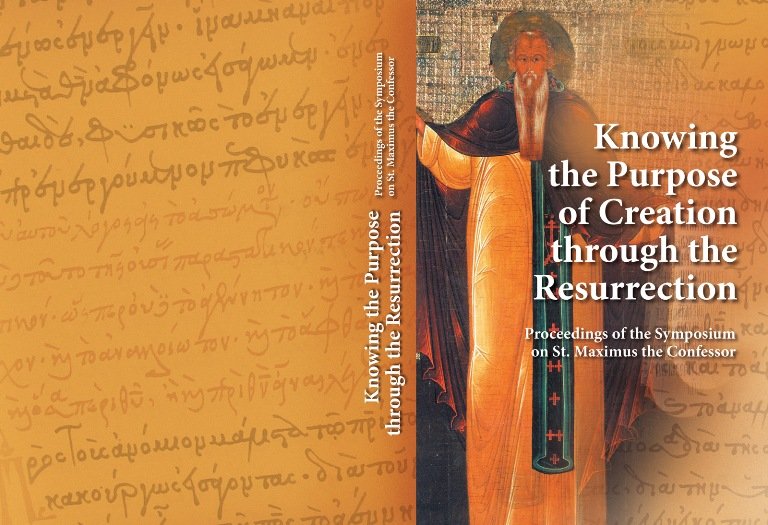
Knowing the Purpose of Creation through the Resurrection

Proceedings of the Symposium on St. Maximus the Confessor

The present volume is a collection of presentations delivered at the St Maximus the Confessor International Symposium held in Belgrade at the University of Belgrade from 18 to 21 October 2012. The Belgrade Symposium brought together the following speakers: Demetrios Bathrellos, Grigory Benevitch, Calinic Berger, Paul Blowers, David Bradshaw, Adam Cooper, Brian Daley, Paul Gavrilyuk, Atanasije Jevtić, Joshua Lollar, Andrew Louth, John Panteleimon Manoussakis, Maximos of Simonopetra, Ignatije Midić, Pascal Mueller-Jourdan, Alexei Nesteruk, Aristotle Papanikolaou, George Parsenios, Philipp Gabriel Renczes, Nino Sakvarelidze, Torstein Tollefsen, George Varvatsoulias, Maxim Vasiljević, Christos Yannaras, and John Zizioulas. The papers and discussions in this volume of the proceedings of the Belgrade Symposium amply attest to the reputation of Saint Maximus the Confessor as the most universal spirit of the seventh century, and perhaps the greatest thinker of the Church.

Read more ...