A great man is one who collects knowledge the way a bee collects honey and uses it to help people overcome the difficulties they endure - hunger, ignorance and disease!
- Nikola Tesla

Remember, remember always, that all of us, and you and I especially, are descended from immigrants and revolutionists.
- Franklin Roosevelt

While their territory has been devastated and their homes despoiled, the spirit of the Serbian people has not been broken.
- Woodrow Wilson

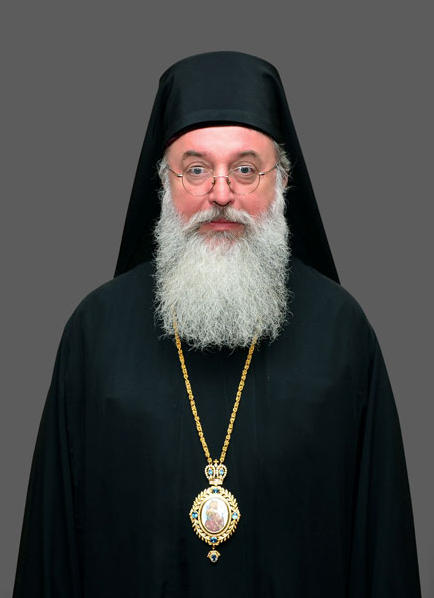
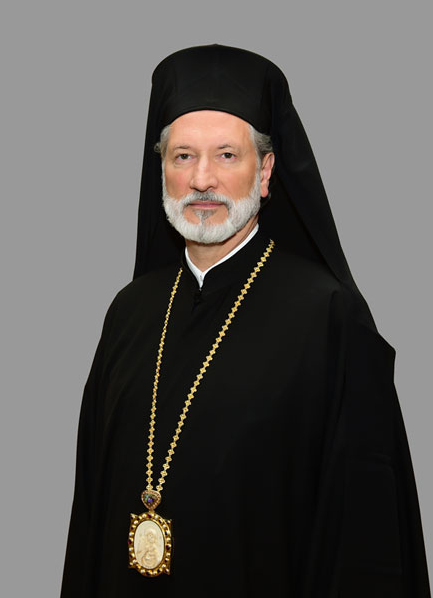
Joint Letter of the Serbian Orthodox Bishops in the United States of America

Deputy Secretary John J. Sullivan
U.S. Department of State
2201 C Street, NW
Washington, DC 20520

March 27, 2018

Dear Deputy Secretary Sullivan:

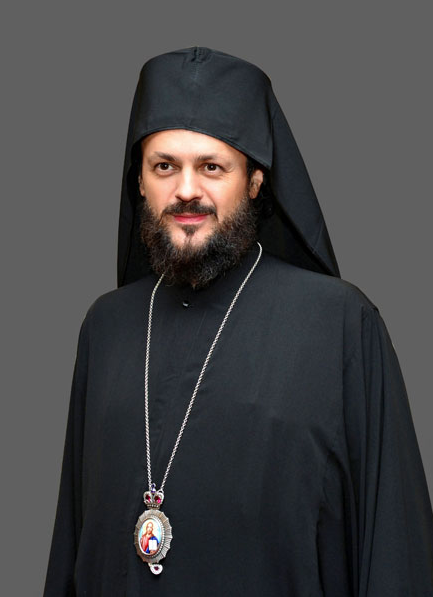
We, the bishops of the Serbian Orthodox Dioceses in the United States, are writing to express our grave concern over yesterday’s assault by the Kosovo Police on Marko Djuric, Director of the Serbian Government Office for Kosovo and Metohija, as well as journalists and unarmed citizens. Our concern is particularly heightened noting that this brutality seems to be an integral part of an orchestrated campaign against Kosovo's Serbian population, coming in the wake of the assassination of Oliver Ivanovic.

In a provocative show of force, the police force stormed a meeting between citizens and government officials fully-armed and with shock bombs. Over 34 people were seriously injured requiring hospitalization, while Marko Djuric was unlawfully arrested, beaten, and paraded through Pristina before jeering crowds.

Yesterday’s events demonstrate once again that the Kosovo Albanian authorities are unwilling to assure the minimum of basic civic and human rights, including the right to peacefully assemble, to the Serbian population living in its own land. Moreover, these actions show a wanton disregard for the obligations Pristina has itself undertaken to implement essential human and civil rights standards as part of its Stabilization and Association Agreement with the EU, in addition to contravening the letter and spirit of the Brussels dialogue.

We call on you, Mr. Deputy Secretary, to show that the United States remains committed to protecting the most fundamental rights and basic human dignity of the Kosovo Serbian population by condemning yesterday’s police brutality in Kosovska Mitrovica, and by making clear to the authorities in Pristina that the United States will never condone beatings of peaceful citizens, journalists, and public officials.

Respectfully yours,

Rt. Rev. Bishop Maxim
Rt. Rev. Bishop Longin
Rt. Rev. Bishop Irinej

SA


People Directory

Olga Gradojevich

December 19, 1937 - August 30, 2022
Olga Radosavljevich-Gradojevich, 84 of Bratenahl/Seven Hills passed away in Seven Hills, Ohio on August 30, 2022. Olga (affectionately known as Miss Olga) was born in Belgrade, Serbia on December 19, 1937, to Nadezda and Vojislav Radosavljevich (Both Deceased) She immigrated to the United States of America at age 18 and enrolled at The Cleveland Institute of Music where she completed her Bachelor of Music, Master of Music and an Artist Diploma in piano performance with renowned teachers Arthur Loesser, Victor Babin and Vitya Vronsky Babin.

Read more ...

Publishing

Serbian Americans: History—Culture—Press

by Krinka Vidaković-Petrov, translated from Serbian by Milina Jovanović

Learned, lucid, and deeply perceptive, SERBIAN AMERICANS is an immensely rewarding and readable book, which will give historians invaluable new insights, and general readers exciting new ways to approach the history​ of Serbian printed media. Serbian immigration to the U.S. started dates from the first few decades of 19th c. The first papers were published in San Francisco starting in 1893. During the years of the most intense politicization of the Serbian American community, the Serbian printed media developed quickly with a growing number of daily, weekly, monthly and yearly publications. Newspapers were published in Serbian print shops, while the development of printing presses was a precondition for the growth of publishing in general. Among them were various kinds of books: classical Serbian literature, folksong collections, political pamphlets, works of the earliest Serbian American writers in America (poetry, prose and plays), first translations from English to Serbian, books about Serb immigrants, dictionaries, textbooks, primers, etc.

Read more ...